
- Home
- Product application and solution
- How to Choose the Right Lock
How to Choose the Right Lock
How to Choose the Right Lock for Commercial or Industrial Application

Choosing the right lock for commercial and industrial applications requires more than matching a lock size. B2B buyers, facility managers, cabinet manufacturers, locker suppliers, equipment makers, and OEM / ODM project teams need to consider the application, access control method, installation environment, security level, maintenance needs, and long-term key management.
This commercial and industrial lock selection guide helps buyers compare suitable lock types for cabinets, lockers, equipment panels, warehouses, public facilities, outdoor storage, and multi-site facility projects.
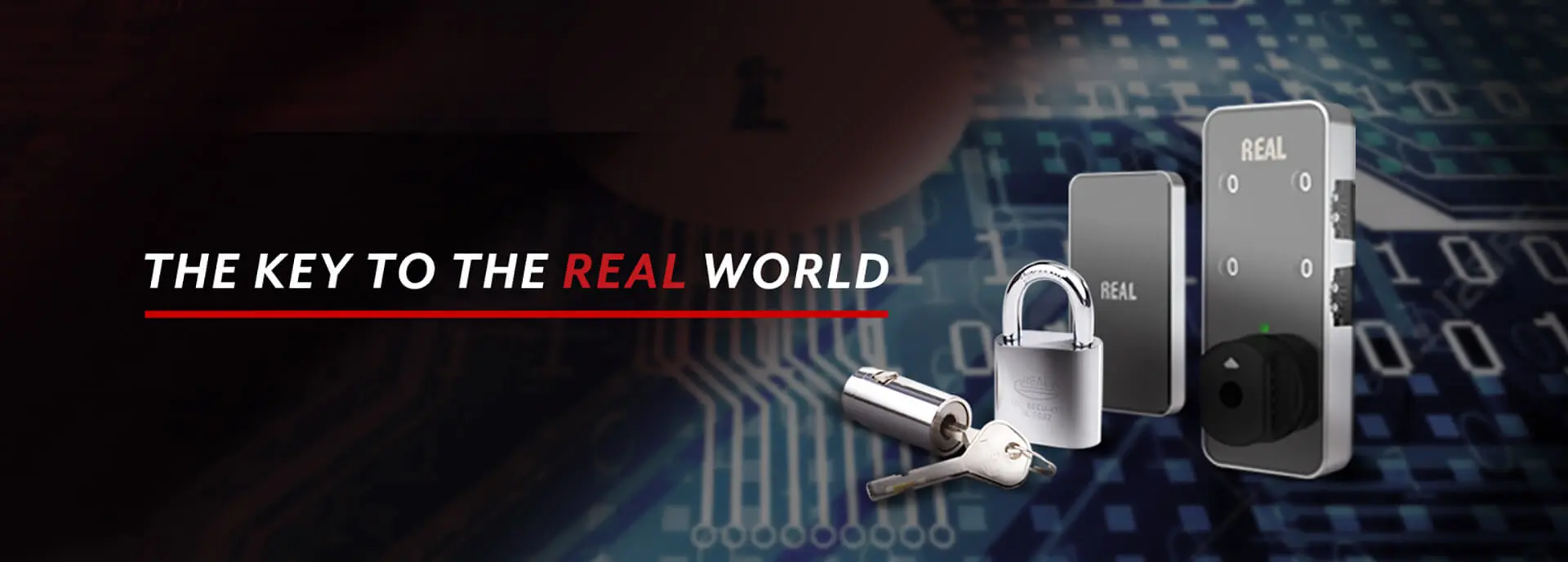
REAL Locks & Security provides mechanical locks, keyless combination locks, cam locks, disc detainer locks, padlocks, NFC smart locks, master key systems, and OEM/ODM lock solutions for various commercial and industrial requirements.
Start with the Application: Where Will the Lock Be Used?
The first step in lock selection is understanding the application. A lock used on a gym locker will have different requirements from a lock used on an equipment panel, warehouse gate, utility box, or industrial cabinet.
B2B buyers should consider how the lock will be used, who will access it, how often it will be operated, and whether the installation requires standard products or customized lock solutions.
Cabinet Locks for Office Cabinets, Drawers, and Equipment Panels
Cabinet locks and cam locks are commonly used for office cabinets, drawers, storage compartments, furniture, equipment panels, vending machines, and industrial enclosures.
When choosing a cabinet lock, buyers should confirm the installation hole, panel thickness, cam direction, cam length, keying requirements, and expected usage environment.
Locker Locks for Gyms, Schools, Workplaces, and Public Areas
Locker locks are commonly used in gyms, schools, workplaces, hospitals, hotels, swimming pools, and public storage areas.
For shared-use lockers, keyless combination locks can help reduce the need for physical key management. For managed facilities, buyers may also need to consider override access, decoder support, master key systems, or replacement key support, depending on the selected lock model.
Padlocks for Gates, Warehouses, and Outdoor Storage
Padlocks are suitable for gates, warehouses, containers, storage rooms, outdoor cabinets, and industrial facilities.
For outdoor or high-risk environments, buyers should consider shackle strength, body material, weather resistance, anti-cut performance, corrosion resistance, and long-term durability.
Disc Detainer Locks for Higher Mechanical Security
Disc detainer locks are suitable for applications requiring higher mechanical security and structured key control.
They can be used for cabinets, equipment panels, utility boxes, industrial enclosures, and selected B2B projects where resistance to picking, drilling, and unauthorized key duplication is an important consideration.
Choose the Right Access Control Method Before Choosing the Lock
Different commercial and industrial projects require different access control methods. Before selecting a lock, buyers should define whether each user needs individual access, shared access, management access, or keyless access.
Keyed Different for Individual Access
Keyed Different systems are suitable when each lock needs to be operated by its own unique key. This is useful for individual lockers, private cabinets, user-assigned storage, and applications where access accountability is required.
Keyed Alike for Shared Access
Keyed Alike systems allow multiple locks to be operated by the same key. This can simplify key management for retail displays, maintenance cabinets, service panels, equipment boxes, and storage areas that need shared access.
Master Key Systems for Facility Management
A master key system is suitable when individual users need separate access, while managers, supervisors, or maintenance staff need higher-level access to selected groups of locks.
Master key systems are commonly used in factories, warehouses, schools, utility facilities, commercial buildings, and multi-site operations.
For more details, visit Master Key & Keying System Solutions.
Keyless Combination Locks for Shared-Use Lockers
Keyless combination locks are suitable for facilities where users prefer not to carry physical keys. They are commonly used for lockers, cabinets, storage compartments, mailboxes, toolboxes, and public-use storage areas.
Mechanical combination locks are also useful because they do not require batteries, wiring, or electronic access control infrastructure.
NFC or Electronic Locks for Managed Access
NFC smart locks and electronic locks may be considered when buyers need managed access, digital authorization, or smart access control features.
These options may be suitable for selected locker systems, facility management projects, public storage, or customized OEM / ODM applications.
Match the Lock to Indoor, Outdoor, or High-Traffic Environments
The installation environment directly affects lock selection. A lock used indoors on a cabinet does not face the same conditions as a lock used outdoors, near moisture, or in a high-traffic public facility.
Indoor Commercial Use
For indoor applications such as office cabinets, furniture, drawers, lockers, and equipment panels, buyers should focus on installation size, keying requirements, ease of operation, finish, and daily-use durability.
Outdoor or High-Moisture Environments
For outdoor storage, gates, utility boxes, warehouses, and exposed areas, buyers should consider corrosion resistance, dust protection, water resistance, material selection, and surface treatment.
Stainless steel padlocks, weather-resistant padlocks, chrome-plated locks, or selected lock designs may be suitable depending on the exposure level and required security.
High-Traffic Public Use
For gyms, schools, hospitals, public facilities, and workplaces, locks may be operated many times per day by different users.
In these environments, buyers should consider durability, ease of operation, code reset method, key management, maintenance needs, and whether management access is required.
Compare Security Level, Tamper Resistance, and Mechanical Protection
Security requirements vary by application. Some projects only require basic access control, while others require stronger protection against picking, drilling, cutting, pulling, or unauthorized access.
B2B buyers should evaluate the following factors before selecting a lock:
| Security Factor | Why It Matters |
| Lock structure | Affects resistance to forced entry and long-term reliability. |
| Cylinder design | Helps determine key control, picking resistance, and security level. |
| Shackle strength | Important for padlocks used in gates, warehouses, or outdoor storage. |
| Anti-drilling design | Useful for applications exposed to tampering or higher security risks. |
| Key control | Helps reduce unauthorized access and improves facility management. |
| Master key compatibility | Supports management access for multi-lock projects. |
| Material and finish | Affects durability, corrosion resistance, and product lifespan. |
For higher mechanical security requirements, disc detainer locks, anti-cut padlocks, and master key systems may be considered according to the project application.
Plan for Replacement Keys, Maintenance, and Long-Term Lock Support
For B2B lock projects, long-term service is as important as the initial product selection. Buyers should consider how keys will be managed, how replacement keys will be requested, and how future orders will be supported.
REAL’s sales and production control teams record key code information for each shipment. When customers need additional or replacement keys, they can provide clear photos of the existing key for review. REAL can check the key profile, visible key information, and internal shipment records before confirming whether new keys can be prepared.
For more details, visit the Key Code Program and the Replacement Key Support.
Quick Lock Selection Table for B2B Buyers
| Application | Recommended Lock Type | Key Selection Factor |
| Office cabinets and drawers | Cam locks, cylinder locks | Compact installation, key control, cabinet thickness |
| Gym and school lockers | Keyless combination locks, locker locks | Shared use, no-key operation, user turnover |
| Workplace lockers | Mechanical combination locks, master key-supported locks | Daily access, management override, and maintenance |
| Warehouse doors and gates | Padlocks, anti-cut padlocks | Outdoor durability, shackle strength, and weather resistance |
| Equipment panels and enclosures | Cam locks, disc detainer cam locks | Panel thickness, tamper resistance, and access frequency |
| Utility boxes and service cabinets | Disc detainer locks, master key systems | Controlled access, higher mechanical security |
| Retail storage and display units | Keyed alike locks, cam locks | Fast shared access and simple key management |
| Multi-site facilities | Master key systems, keyed alike / keyed different systems | Access hierarchy, department control, scalability |
Recommended REAL Lock Solutions by Application
REAL Locks & Security offers different locking solutions for commercial, industrial, institutional, and OEM / ODM applications.
| Buyer Need | Suggested REAL Lock Solution |
| Keyless locker or cabinet access | Keyless combination locks |
| Cabinet, drawer, or equipment panel locking | Cam locks and cylinder locks |
| Higher mechanical security | Disc detainer locks |
| Outdoor storage or warehouse protection | Padlocks and anti-cut padlocks |
| Facility-level key management | Master key and keying systems |
| Replacement key and after-sales support | Key code program and replacement key support |
| Customized product development | OEM / ODM lock solutions |
| Smart access or battery-free access | NFC smart lock solutions |
What B2B Buyers Should Confirm Before Ordering
To help REAL recommend suitable lock options, buyers should provide as much application information as possible.
| Information to Confirm | Why It Matters |
| Application | Helps determine the suitable lock type. |
| Installation hole | Ensures the lock can fit the cabinet, panel, or door. |
| Door or panel thickness | Helps confirm compatible lock length and structure. |
| Indoor or outdoor use | Affects material, finish, and durability requirements. |
| Access control method | Helps determine keyed, keyless, master key, or smart lock options. |
| Keying requirement | Helps confirm keyed alike, keyed different, or master key planning. |
| Quantity | Helps evaluate production, quotation, and project support. |
| Usage frequency | Helps determine durability and maintenance needs. |
FAQ: Commercial and Industrial Lock Selection
What is the best lock for commercial cabinets?
For commercial cabinets, cam locks and cylinder locks are commonly used because they are compact, easy to install, and suitable for drawers, panels, lockers, and storage compartments. The best option depends on the cabinet material, panel thickness, keying requirement, and access frequency.
What type of lock is suitable for gym or school lockers?
For gym and school lockers, keyless combination locks are often suitable because users do not need to carry physical keys. For facilities that require management access, buyers should also consider master key support, override access, or code retrieval options depending on the lock model.
How do I choose between a cam lock and a combination lock?
A cam lock is suitable when simple keyed access is preferred for cabinets, drawers, equipment panels, or enclosures. A combination lock is suitable when users need keyless access, especially in shared-use lockers or public storage areas.
When should a facility use a master key system?
A master key system is suitable when individual users need separate access, while managers or maintenance staff need higher-level access to selected lock groups. It is commonly used in schools, factories, warehouses, utility facilities, and multi-site commercial buildings.
What should B2B buyers confirm before ordering locks?
Buyers should confirm the application, installation hole, panel or door thickness, material, indoor or outdoor environment, access control method, keying requirements, quantity, and whether OEM / ODM customization is needed.
Which locks are suitable for outdoor or high-moisture environments?
For outdoor or high-moisture environments, buyers should consider stainless steel padlocks, weather-resistant padlocks, chrome-plated locks, or lock options designed with dust and moisture resistance. The final choice depends on exposure level and security requirements.
What lock options are suitable for equipment panels and utility boxes?
Cam locks, disc detainer cam locks, and cylinder locks are commonly used for equipment panels and utility boxes. For higher security or controlled access, disc detainer locks and master key systems may be considered.
Can REAL support replacement keys?
REAL provides replacement key support for selected lock products. Customers can provide clear photos of the existing key, lock model, quantity, and previous order information if available. REAL will review the key profile, visible key information, and internal key code records before confirming whether new keys can be prepared.
Can REAL support OEM / ODM lock projects?
Yes. REAL Locks & Security supports OEM / ODM lock projects according to product type, application requirements, keying needs, installation dimensions, quantity, and project specifications.
Contact REAL for Commercial and Industrial Lock Solutions
Need help selecting locks for cabinets, lockers, equipment panels, warehouses, public facilities, outdoor storage, or OEM / ODM projects?
Share your application, installation dimensions, access control requirements, quantity, and usage environment with REAL. Our team can help recommend suitable lock options for your commercial or industrial project.